Subscribe Now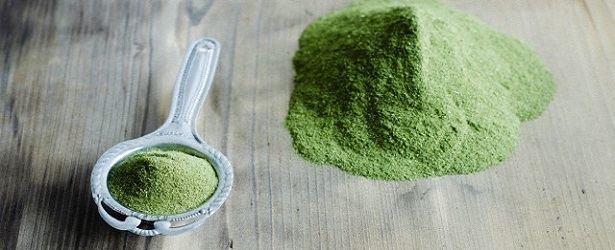
Moringa Oleifera for Skin and Hair
Have you heard about Moringa oleifera, or Moringa Tree? The highly nutritious leaves, pods, and oil that come from this tree are important sources of food in much of Asia and Africa. Moringa Tree provides high-quality nutrients, including protein, several vitamins and minerals, and amino acids.
How, you might ask, will that help my skin and hair?
The idea is that skin and hair problems, for example thinning hair, or dandruff, or maybe lots of split ends and breakage, are associated with how well you feed your body. The better you eat, the better chance your skin and hair have of feeling and looking their best.
 Of course you could supplement your diet with synthetic vitamins and minerals. But that’s not what we’re talking about here. Moringa Tree is real food, which logically supports the idea that the body is better able to absorb the nutrients from Moringa that it would synthetic nutrients.
Also be aware that Moringa Tree is high in antioxidants, which means it supports your body in fighting free radicals, which are a major cause of early aging. So reducing or limiting free radicals will lead to improvement in the overall appearance of your skin and hair. Another benefit of Moringa that will directly improve your skin and hair is that it builds collagen.
How to Improve Your Nutrition
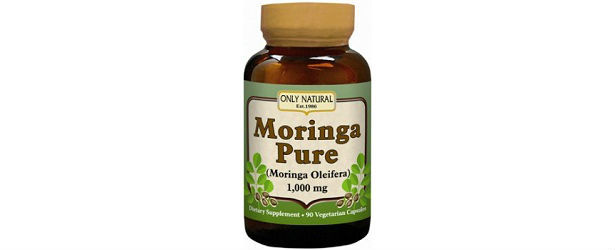
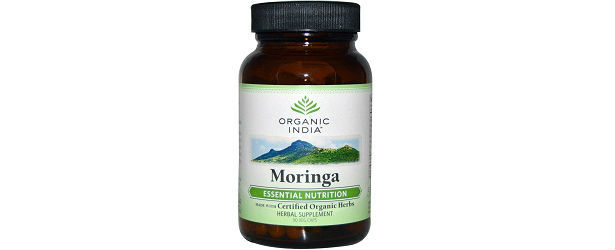
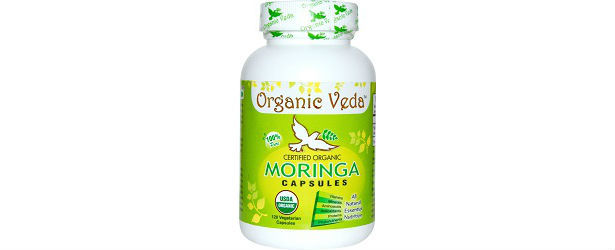
If you don’t have access to fresh Moringa, you can supplement with powder or capsules, and you can use Moringa oil.
Add the powder to smoothies, for example, or make a tea. The taste is slightly peppery, somewhat like radish. Experiment and try it various ways. Maybe add the powder to soup, for example, to learn what suits you best.
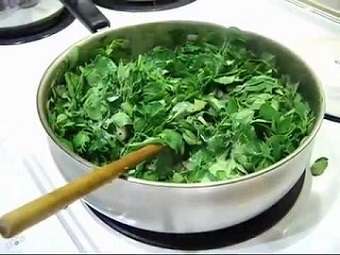
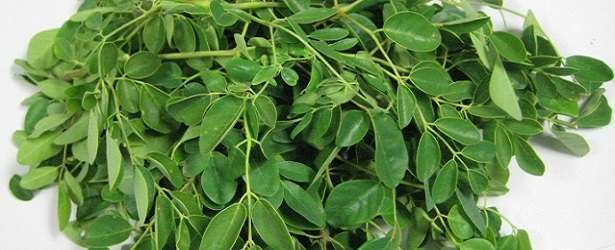
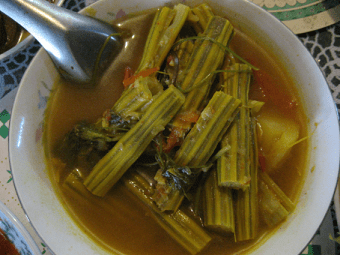
If you can find fresh leaves, you can use them as you would spinach. Add them to salads, for example, or cook them. Cook the pods as you would cook green beans.
Moringa oil is traditionally used for cooking, and is valued because it doesn’t tend to go rancid. You can also use it in salad dressings, as you would use other oils.
How to Use Moringa on Your Skin
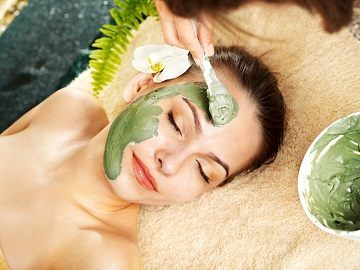 Moringa oil is valued by Ayurvedic practitioners for its ability to moisturize the skin, and it’s valuable for treating dry or rough skin, for example for psoriasis or dermatitis. And it soothes sunburns, and helps with insect bites and rashes. So rub it on your face and any areas that need attention. In addition to applying the oil directly to your skin, you can make a paste with Moringa powder and use it as a mask. You can also buy a product called Moringa seed extract. At first this might not sound like something you need, but it’s worth a try. Moringa seeds are used in water purification because they have an ability to bind impurities. Because of this “binding” quality, people sometimes use the seed extract in facials. It will help reduce fine lines and protect the skin from environmental pollution, and it may help clean and detoxify the skin,
How to Use Moringa on Your Hair
Besides ingesting Moringa Tree, people make use of Moringa oil by rubbing it directly on the hair. This is especially useful if your hair is dry or breaking, and it helps with split ends.

 Your doctor might suggest an anti-histamine prescription, or you can purchase an anti-histamine at the drug store, but you might experience side effects with these medications. For example, you might experience drowsiness and so be unable to drive for a period of time. Another way to mitigate histamine symptoms is to eat anti-histamine foods, of which Moringa Tree is one. So you not only get superior nutrition for your immune system, but you get Moringa anti-histamine properties as well.
 On top of all this, Ayurvedic medicine uses Moringa Tree to treat hundreds of health problems. Of course you can improve your overall nutrition by eating Moringa Tree leaves and pods, or by taking supplements. But if you already have a health concern, Moringa Tree may also be of help in solving the problem.
 Arthritis. Moringa has anti-inflammatory properties that help soothe arthritis.
 Inflammation. Inflammation is an underlying problem in many diseases and Moringa is effective in fighting the free radicals associated with inflammation.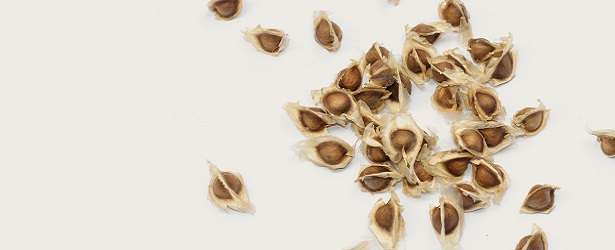
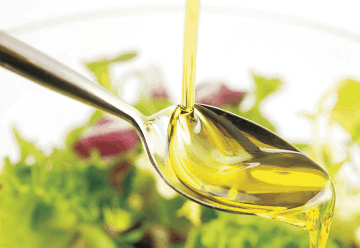 The leaves, pods, and oil are all everyday basic food sources in Asia and Africa, and they’re gaining in popularity in western countries. They’re all excellent sources of nutrition, even sometimes used to treat malnutrition. Moringa oil, which is made from Moringa seeds, is highly valued because it doesn’t tend to grow rancid. It’s used for cooking and, for example, in salad dressings, just as you would use any vegetable oil. Like olive oil, Moringa oil is high in oleic acid and is an unsaturated fat. Moringa seeds serve a variety of purposes. The residue from processing the seeds for oil is used to purify water from wells, and at least one study shows that Moringa seed extract may be useful in controlling mosquitos. The seeds are also being studied for new applications in cosmetics and pharmacology.
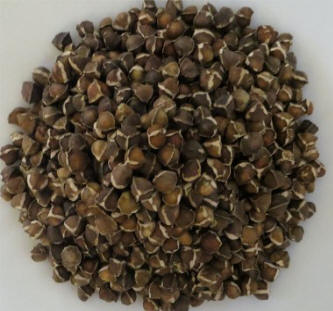 As with other parts of the Moringa plant, the seeds are high in vitamins and minerals, and they have the same antibacterial and antiseptic qualities.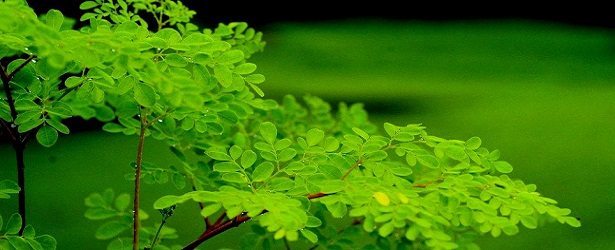
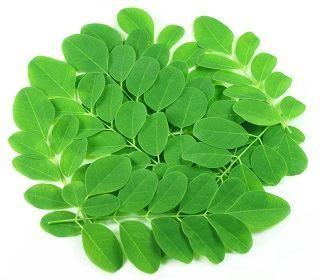 Moringa Tree grows rapidly, some say like a weed, and better still the leaves and pods can be harvested throughout the year. Even better still, the leaves and pods are superfoods. They contain a large variety of nutrients and are an important food source in many parts of the world. An equivalent serving of Moringa leaves beats the calcium you get from milk, the iron from spinach, and the
 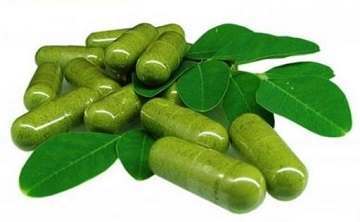 Some other facts about Moringa Tree are that it helps protect the body against arsenic from contaminated food or water, and a really interesting use for the seeds is to purify well water. Apparently the seeds contain a protein that attaches to impurities and causes them to aggregate, and as a water purification method this works better than many synthetic materials. Some researchers are pondering the question of whether this protein may perform the same function in the body, which would mean Moringa might prove useful in detoxifying the body. So how do you get these benefits from Moringa Tree? You can buy Moringa as powder or capsules. You can also buy Moringa oil, although be aware that it’s expensive, much more so than high quality olive oil.
 Does it matter to you that you have a choice, regardless of whether you’re exercising that choice at any particular point in time? Like some of us who routinely supplement with vitamins and minerals, and who sometimes use herbal remedies for specific conditions, does it matter to you that at any moment you choose you have the option to stop by your natural food store and pick a remedy from the shelves? The Food and Drug Administration oversees the efficacy of all supplements sold in the United States. And as anyone knows who pays much attention, the FDA is proactive in guarding us from any harm related to supplementation. If you really pay attention, you might have noticed the focus, in fact, on supplements. This is surprising considering the high usage of supplements and low rates of associated problems as compared to prescription drugs.
 Yet there are problems associated with the use of prescription drugs, and you’d think the FDA would have their hands full guarding us from that. Read the drug information included with almost any prescription and you’ll find a lot to worry about. You’ll see warnings for possible side effects that can make the original health problem seem benign in comparison.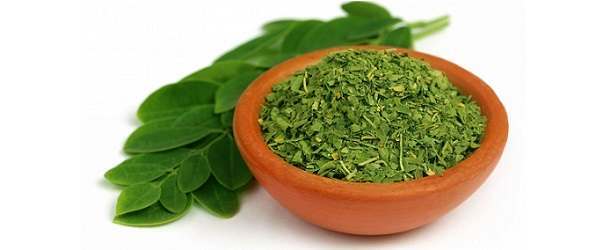
 So yes, Moringa supplies the nutrition you need. It also has lots of fiber and is low fat. It’s an ideal food for supplying nutrition while helping you lose weight.
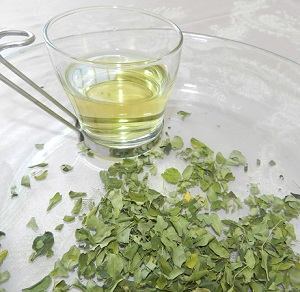 You’ve got choices because Moringa Tree leaves, pods, and oil are all edible. You can also use Moringa as a tea. If you don’t like the taste, you can use Moringa powder and capsules.