
 Subscribe Now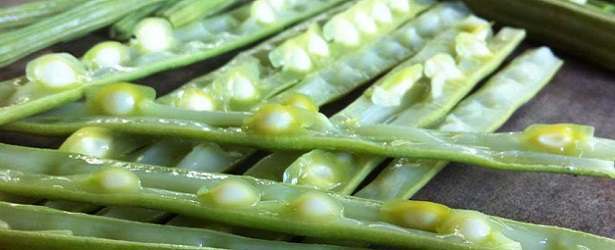
Never Try Moringa Without First Knowing the Facts
Moringa is nothing It’s been around for years. This “new” health supplement has actually been used by many cultures for hundreds of years but many still do not know about what is also called “the miracle tree” and “the tree of life.” As a health supplement, a profusion of healing and nutritive properties are attributed to it.
Moringa is said to boost one’s energy level, with healing and disease-preventive properties. It’s supposedly good for a whole range of conditions like depression, diabetes, skin disorders and weakness after exertion. These are just a few of the properties that Moringa has. A few more worth mentioning is its effectiveness in healing ulcers, lowering blood pressure and cholesterol, relieving arthritis, correcting sleep disorders and so much more! Moringa is also said to even fight tumor and cancer cell growth.
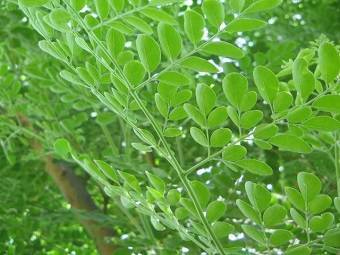 Is Moringa really everything it is claimed to be? Let’s get the facts straight on Moringa oleifera. Also known as “the drumstick tree,” it grows long pods that look like, well, drumsticks. It is very easy to grow, especially in dry soil. This tree is known to grow in South and Southeast Asia, Central and South America, Africa, and Oceania. In the US, Hawaii seems to have the ideal conditions for its cultivation.
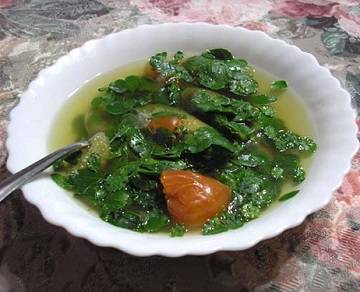
Moringa is also called the “horseradish tree” because its edible roots resemble and are similar in taste to horseradish. Uncooked, Moringa leaves are said to be slightly bitter, spicy and piquant, similar to mustard. When cooked, they are comparable in taste to spinach.
Nutrition-wise, Moringa tops the charts. When we talk about vitamin A, carrots are usually what come to mind as an excellent source. But, gram for gram, Moringa leaves can give 4 times more vitamin A than carrots. And milk has always been the best calcium source, right? Sorry, Moringa has 4 times more calcium than milk. Bananas shrink back in shame when faced with the mighty Moringa, because its potassium content is 3 times higher. Didn’t your mom always tell you that orange juice was rich in vitamin C? Well, yes she wasn’t lying. But Moringa boasts 7 times more vitamin C! And if you’re thinking of having some yogurt for a protein boost, try Moringa instead. Moringa has twice the protein content of yogurt. It is one of the few plants sources of whole or complete protein.
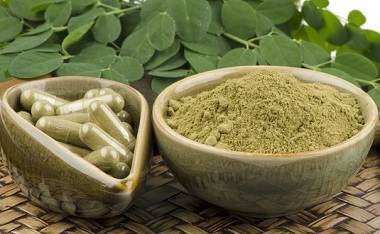 Moringa is said to contain 92 nutrients, 46 antioxidants, 36 anti-inflammatory compounds, and 18 amino acids, 9 of which are essential amino acids. With so many important nutrients and healing elements in Moringa, it’s no wonder it can address a multitude of illnesses.
Moringa actually also has beautifying properties. It is also used in soaps, shampoos, and lotions. Though already know for its use in cooking and as a health supplement, sometimes the properties of its oil is overlooked. It is said that ancient Egyptians left jars of Moringa oil in the pyramids. Even then, it was already highly-prized.
Nowadays, the all the amazing goodness of Moringa can be obtained easily. The testimonies of those who have benefited from this miracle supplement abound. And yet, Moringa remains humble. It simply wants to do its job of healing and nourishing. Get to know Moringa so you won’t miss out on its incredible benefits!

 Moringa Tree will also be useful for someone experiencing stress or depression because of poor nutrition. That’s because Moringa Tree provides lots of protein, an array of important vitamins and minerals, and all the essential amino acids.
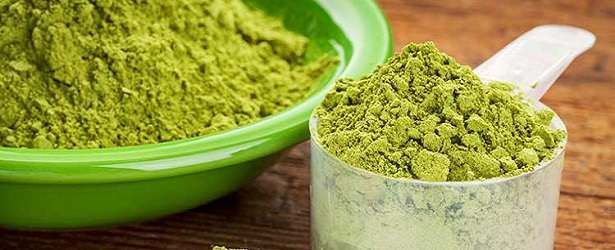
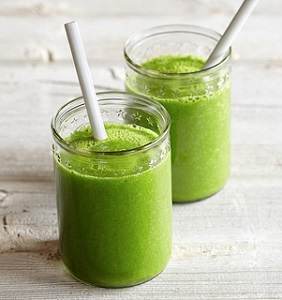 Moringa powder is easy to use because you can add it to smoothies, or stir a little in fruit juice, or sprinkle it on salads or mix it into salad dressing. Moringa tastes somewhat peppery and not everyone likes the taste. If you find that you don’t, use it in smoothies where you also add a little fruit to mask the flavor of the Moringa.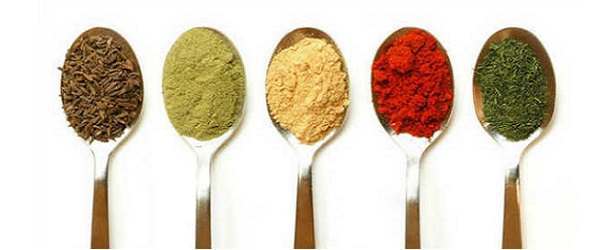
 Some, like bee pollen and
 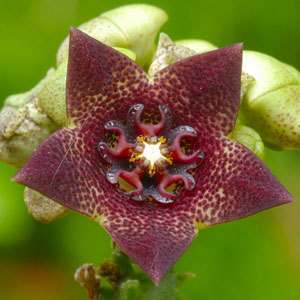 Caralluma Fimbriata


 But it turns out that isn’t true.

 How is that possible? Maybe the experts don’t have all the facts. Maybe we are eating more and exercising less, but health experts don’t think so.
 Pay attention to your surroundings. For example, use glass containers for food instead of plastic wrap. And think about your home. For example, do you use chemical air fresheners? Take a trip to the library and you’ll find lots of information on how to live with fewer pollutants.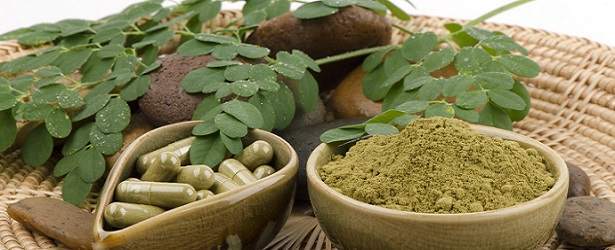
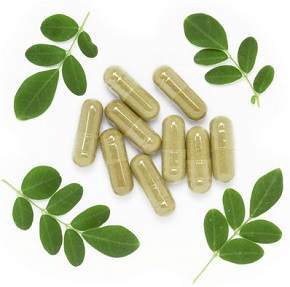 For example, the leaves provide vitamin C and beta-carotene, protein, vitamin B6 and riboflavin, calcium, potassium, and iron. While the leaves are more nutritious than the pods, one serving of the pods contains more than a day’s supply of

 Pregnant women need to be aware that eating the roots, bark, or flowers can bring on uterine contractions, possibly leading to miscarriage, and some experts think Moringa might not be safe for infants. So if you’re pregnant or nursing, talk to your doctor before ingesting Moringa Tree, and before using the oil on your skin.
 Next is something to keep in mind for a time when you might need it. One of the qualities of Moringa is it has a laxative effect, with the likelihood of this increases along with the amount you ingest, and especially if your body isn’t accustomed to the food. You could also experience gas, diarrhea, or heart burn.

 The bad news for some people is that you’ll need to exercise as well. Our bodies are made to move. Movement helps us establish and maintain an ideal weight, and it helps us stay healthy.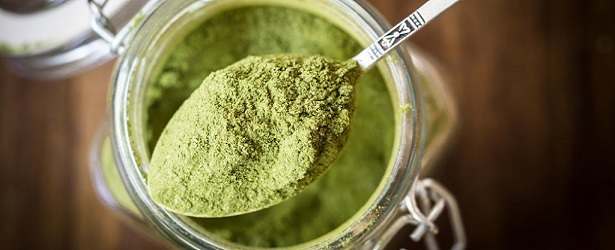
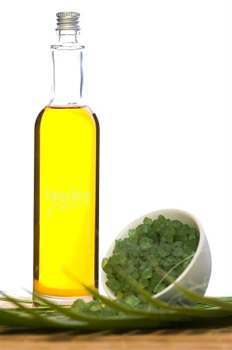 Moringa Tree grows most everywhere in the tropics and has been valued for at least two thousand years as a food source, and also for its ability to treat a large number of diseases. It’s now being thought of as a superfood. You can use the leaves much as you would spinach, and you can eat the pods, cooking them as you would green beans. You can also buy Moringa Tree oil, which is processed from the seeds. The oil is used for cooking and eating, and you can use it on your skin as a moisturizer. The oil is valuable because it doesn’t tend to go rancid.
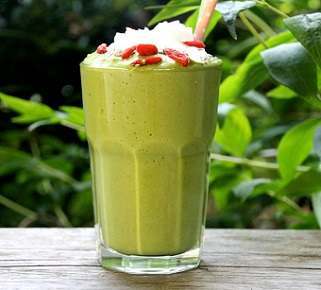 Smoothies are a good way to use Moringa because if you don’t like the taste you can hide it by adding fruit. Sprinkle Moringa on salads and other dishes, or add it to juices. Most experts suggest not cooking with Moringa powder because cooking reduces the nutritional value. So sprinkle it on just before you eat.